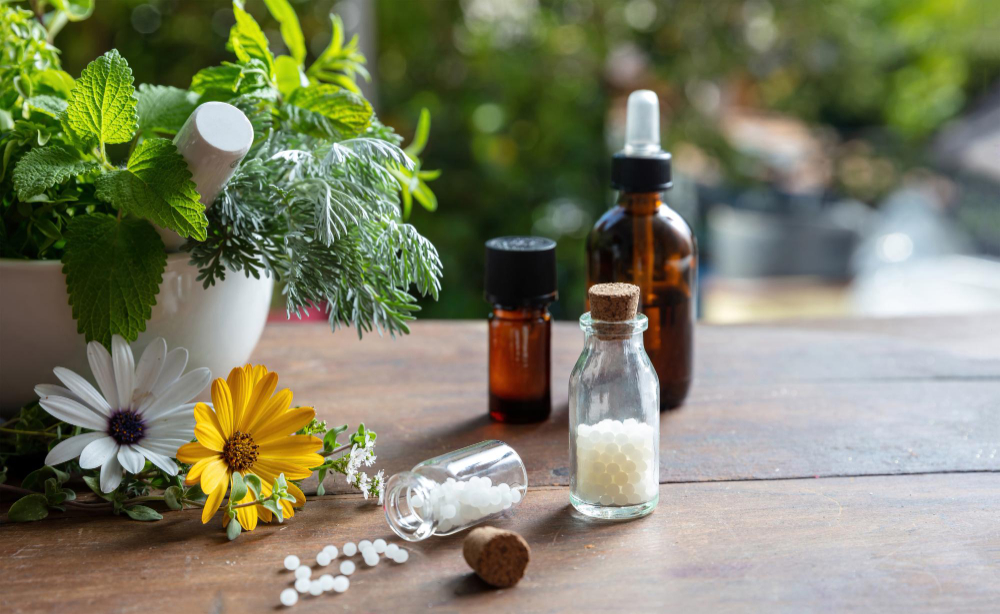
Many people seek homeopathy for skin diseases because they want natural skin treatment. Homeopathy aims to treat the root cause of skin problems, not just the visible symptoms. While creams and ointments may offer quick relief, they often do not address why the skin issue started. Instead, homeopathy looks deeper. For this reason, treating skin problems with homeopathy can help you achieve lasting results. In this blog, we will explore how homeopathy works for skin diseases and what you can expect from this approach.
What Are Skin Diseases?
Skin diseases are conditions that affect the surface of your body. For example, eczema, psoriasis, and acne are common types. These problems can cause itching, redness, swelling, or even pain. Sometimes, they lead to dry patches or blisters. Because skin diseases are often visible, they can affect self-confidence. In addition, they may cause discomfort during daily activities. For many, these issues can make social situations stressful or even embarrassing.
How Homeopathy Approaches Skin Diseases
Homeopathy is a natural system of medicine. It is based on the idea that the body can heal itself. Unlike some treatments, homeopathy does not just cover up symptoms. Instead, it aims to find and treat the underlying cause of the problem. This approach is gentle and holistic. For example, a homeopath will look at your overall health, not just your skin.
Because of this, homeopathy can offer a more complete solution for skin diseases.
Common Homeopathic Remedies for Skin Diseases
There are many homeopathic remedies for skin problems. However, each remedy is chosen based on your specific symptoms. Some popular remedies include:
Still, remedies are always individualized. Therefore, it is important to consult a trained homeopath for the best results.
Benefits of Homeopathy for Skin Health
Homeopathy offers several advantages for those with skin diseases. First, it works gently with the body. Also, it usually has minimal side effects. Because homeopathy looks at the whole person, it can improve overall well-being. In addition, it may help prevent future flare-ups by addressing the root cause. Many people prefer homeopathy because it uses natural ingredients and avoids harsh chemicals.
What to Expect During Homeopathic Treatment
When you visit a homeopath, the process begins with a detailed consultation. During this time, the specialist will ask about your symptoms, lifestyle, and medical history. Next, they will select a remedy that matches your unique needs. After starting treatment, your progress will be monitored. Sometimes, remedies are adjusted based on how your skin responds. Because every person is different, the length of treatment can vary. However, regular follow-ups help ensure the best outcome.
Safety, Effectiveness, and Scientific Evidence
Homeopathy is considered safe when used under the guidance of a qualified practitioner. The remedies are highly diluted, which reduces the risk of side effects. According to the World Health Organization (WHO), homeopathy is widely used in many countries. However, scientific studies on its effectiveness for skin diseases show mixed results. Some people report improvement, while others see little change. The Centers for Disease Control and Prevention (CDC) and peer-reviewed journals suggest more research is needed. Therefore, it is important to use homeopathy as part of a complete care plan and consult your doctor if symptoms persist.
Lifestyle Tips for Healthy Skin
Besides homeopathic treatment, healthy habits can support your skin. For example, you can:
With these simple steps, you can help your skin stay healthy and strong.
When to Consult a Homeopathic Specialist
Sometimes, skin problems need expert care. You should see a homeopathic specialist if you notice:
Early consultation can help prevent complications and ensure you get the right treatment.
Conclusion
In summary, homeopathy for skin diseases focuses on treating the cause, not just the symptoms. This natural skin treatment offers gentle, holistic care. While results may vary, many people find relief with individualized remedies. For the best outcome, consult a qualified homeopathic specialist Krushal Patil for personalized guidance on skin diseases.