Introduction to Chronic Kidney Disease (CKD)
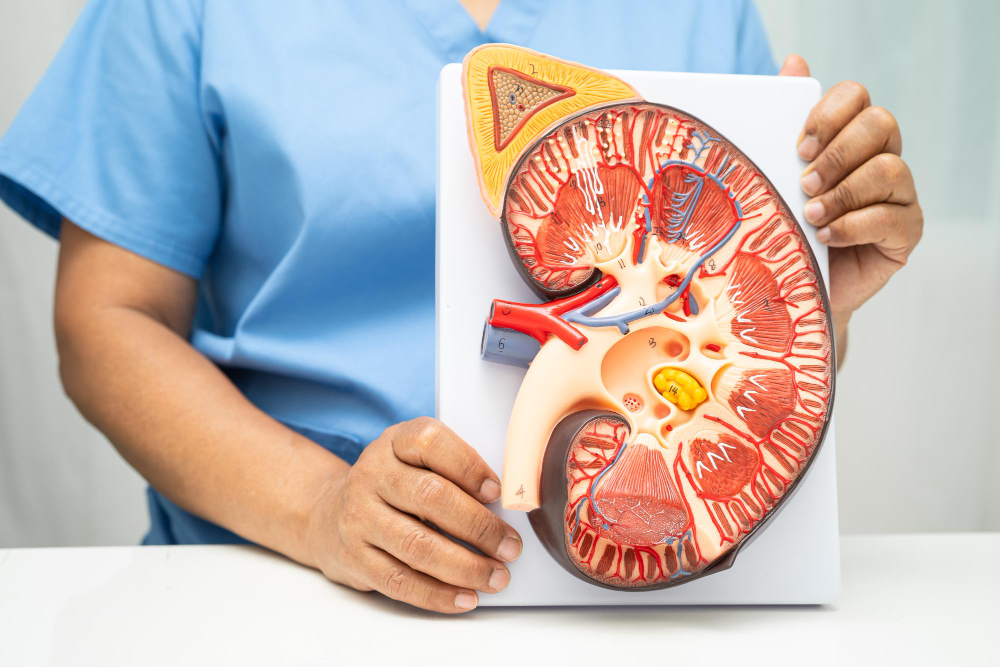
Chronic kidney disease, or CKD, affects millions of people worldwide. In this condition, the kidneys slowly lose their ability to filter waste from the blood. Because CKD often develops over time, many people do not notice symptoms right away. However, early care can help slow its progress. For those seeking gentle options, the homeopathic approach to managing chronic kidney disease is gaining attention. Many people are interested in natural remedies for chronic kidney disease and holistic CKD management.
Overview of Homeopathy and Its Principles
Homeopathy is a natural system of medicine. It uses very small doses of substances to help the body heal itself. According to homeopathic principles, “like cures like.” This means a substance that causes symptoms in a healthy person may help treat similar symptoms in someone who is sick. Homeopathic kidney care focuses on the whole person, not just the disease. Therefore, treatment is tailored to each individual’s needs.
Common Symptoms and Causes of CKD
CKD can show many signs. Some people may not notice symptoms until the disease is advanced. However, common symptoms include:
There are several causes of CKD. For example, diabetes and high blood pressure are leading causes. Other causes include infections, certain medicines, and inherited conditions. Because CKD can be silent, regular check-ups are important.
How Homeopathy Addresses CKD: Remedies, Methods, and Philosophy
Homeopathy aims to support the body’s natural healing. In CKD, homeopathic remedies are chosen based on the person’s symptoms, lifestyle, and emotional state. For instance, some common remedies used in homeopathic kidney care include:
However, a qualified homeopathic practitioner will select remedies after a full assessment. Homeopathy also encourages gentle lifestyle changes and stress management. Because every person is unique, treatment plans are highly personalized.
Evidence and Research on Homeopathic Treatments for CKD
Some people wonder if homeopathy is effective for CKD. According to the World Health Organization (WHO) and peer-reviewed journals, there is limited scientific evidence supporting homeopathy for chronic kidney disease. Most studies show that homeopathy may help with mild symptoms or improve well-being. However, it should not replace standard medical care. The Centers for Disease Control and Prevention (CDC) also recommend regular check-ups and proven treatments for CKD. Therefore, always use homeopathy as a supportive therapy, not as the only treatment.
Lifestyle and Dietary Guidance for CKD Patients Using Homeopathy
Along with remedies, homeopathic kidney care often includes healthy habits. For example, you can:
Because each person’s needs are different, a homeopathic practitioner can guide you. They may suggest changes based on your symptoms and lifestyle.
Prevention Tips and Holistic Care
Preventing CKD is possible with healthy choices. For instance, you can:
Holistic CKD management means caring for your mind and body. Homeopathy can be part of this approach, along with medical care and healthy habits.
Limitations and When to Consult a Healthcare Professional
While homeopathy offers gentle support, it has limits. For example, it cannot cure CKD or replace standard treatments. If you have severe symptoms, such as swelling, trouble breathing, or changes in urination, seek medical help right away. Always talk to your doctor before starting any new therapy. In addition, regular check-ups are important to track your kidney health.
In summary, homeopathy may offer natural remedies for chronic kidney disease as part of a holistic plan. However, it should not replace proven medical care. Consult Dr.Krushal Patil for personalized advice.